



Professional Roof Inspection Services in Maryland & Pennsylvania
Thorough, photo-documented roof inspections for residential and commercial properties, providing clear insight into roof condition, risks, and next steps.
Licensed & Insured in MD & PA · Local & Established
What a Professional Roof Inspection Includes
A roof inspection is a structured evaluation of the roofing system used to document current conditions, identify visible and underlying issues, and assess overall performance. This process focuses on the full system, including materials, transitions, drainage, and structural indicators, to establish a clear understanding of how the roof is functioning.
Surface Condition of Roofing Materials
The visible roofing materials are reviewed to determine how they are wearing over time and whether any irregularities are present that could affect system performance.
Typical conditions reviewed during this phase may include:
- Signs of aging, granule loss, or material fatigue
- Cracking, lifting, or displacement of roofing components
- Inconsistent wear patterns across different roof sections
- Areas of accelerated wear due to exposure or environmental conditions
Flashing & Transition Points
Roof transitions and flashing points are inspected to verify that materials are properly integrated and continue to protect against water intrusion.
Areas commonly reviewed during inspection include:
- Chimneys, skylights, and roof penetrations
- Roof-to-wall transitions and intersecting slopes
- Flashing at valleys and critical junction points
- Areas where flashing may be loose, corroded, or deteriorating
Roof Drainage & Water Movement
The inspection evaluates how water moves across the roof surface and exits the system to ensure proper drainage is being maintained.
Drainage conditions typically reviewed include:
- Water flow direction across slopes
- Areas of pooling or slow drainage
- Edge conditions affecting runoff and discharge
- Signs of water concentration or improper diversion
Structural Indicators & Decking Signals
Visible indicators that may suggest movement or underlying structural concerns are evaluated to determine if further assessment may be needed.
Conditions reviewed during this stage may include:
- Uneven or sagging roof areas
- Signs of separation or surface distortion
- Areas suggesting potential decking or support concerns
- Indicators of stress affecting the roofing assembly
Roof Penetrations & Sealing Components
All penetrations and sealing elements are inspected to verify they remain properly sealed and integrated within the roofing system.
Typical components reviewed include:
- Vent pipes, boots, and mechanical penetrations
- Sealants and protective coverings
- Areas where previous repairs may have been performed
- Points where seals may be cracking, shrinking, or failing
System Documentation & Condition Mapping
All observed conditions are documented to create a clear record of the roof’s current state and to support any recommended next steps.
This documentation process typically includes:
- Identification of areas requiring monitoring or evaluation
- Mapping of observed conditions across the system
- Organized reporting to support decision-making
- Visual records to track condition changes over time
Understanding what a roof inspection includes provides clarity on how the system is evaluated and how conditions are identified. The following section explains when a roof inspection typically becomes necessary.
When a Roof Inspection Becomes Necessary
A roof inspection typically becomes necessary when there are visible signs of change, uncertainty about the system’s condition, or a need to verify how the roof is performing. It is used to evaluate the system before making decisions about repair or replacement.
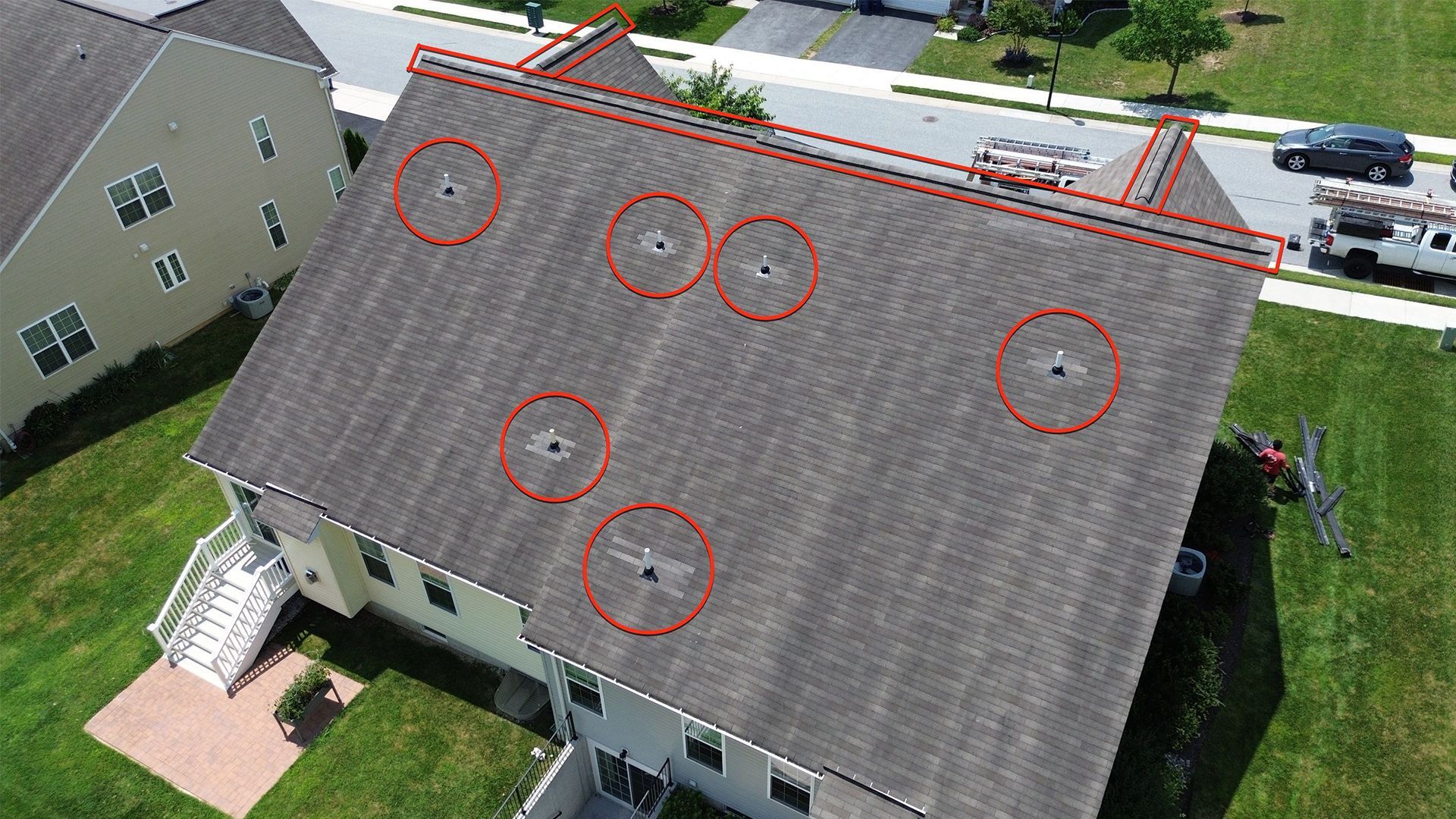
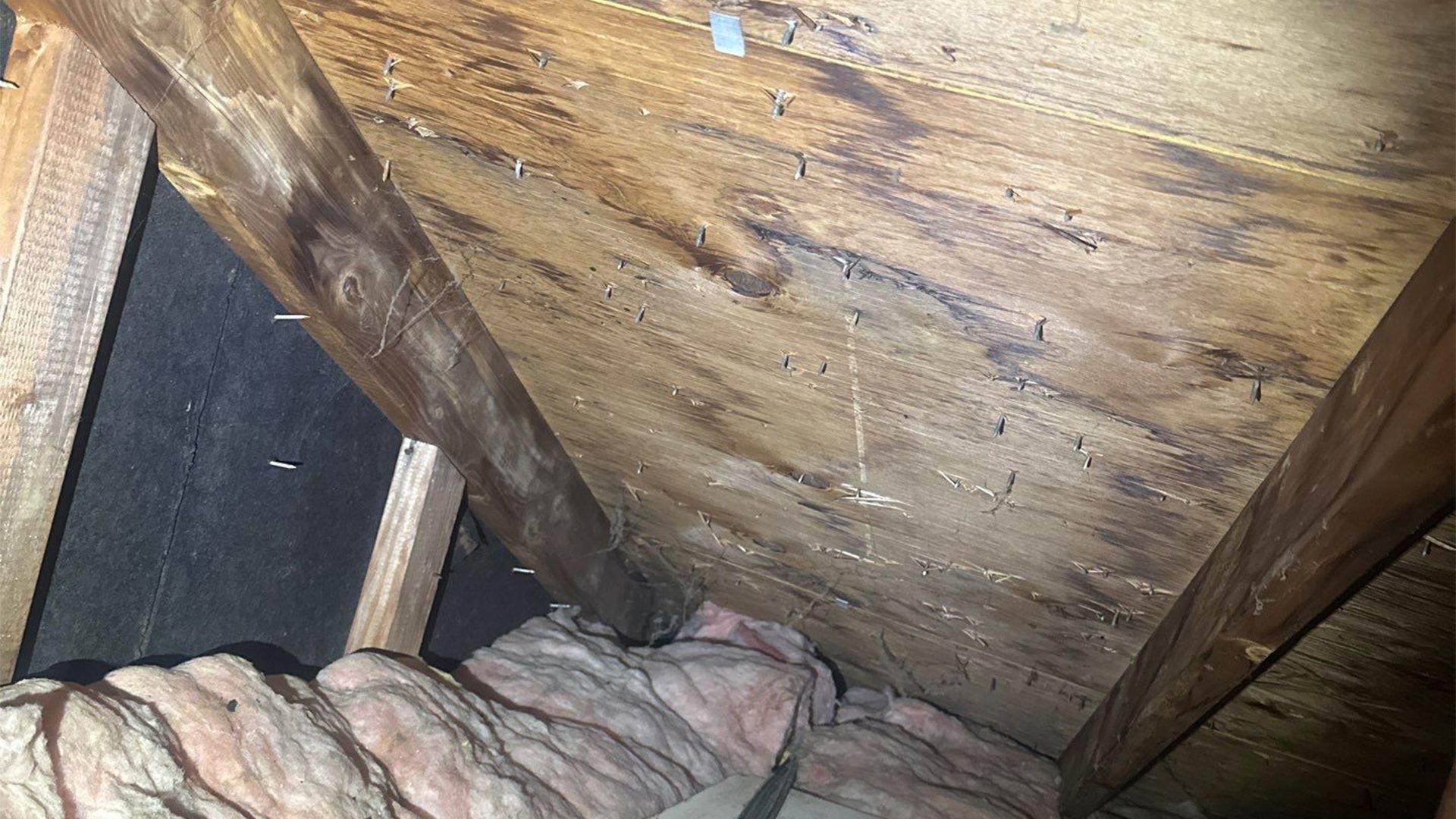
During your inspection, we photograph key areas of concern and normal conditions. This helps you see exactly what we’re seeing — whether it’s early wear, developing issues, or areas performing as expected.
We document exterior vulnerability points like penetrations, flashing transitions, and ridge lines because these areas are most likely to cause leaks when something starts to fail.
We also confirm conditions from inside the attic by checking decking, fastener penetration points, and moisture indicators. This helps validate whether exterior findings are cosmetic, developing, or already affecting the structure.
Each observation is explained in plain language, without technical overload or scare tactics. Our goal is to give you clarity and confidence — not confusion.
Understanding when a roof inspection becomes necessary helps identify when the system should be evaluated. The following section outlines the specific conditions a roof inspection is designed to assess.
Conditions & Problems a Roof Inspection Addresses
A roof inspection is used to evaluate a range of conditions that can affect how the roofing system performs. These conditions may be visible on the surface or develop over time as materials, transitions, and structural components begin to change.
Water Intrusion & Moisture Penetration
Exterior observations focus on visible components that protect the structure from intrusion, including roofing materials, flashing, penetrations, transitions, and drainage areas.
These elements are evaluated for wear or exposure to establish a clear baseline of surface-level conditions.
Material Deterioration & Surface Wear
Interior inspection verifies conditions that cannot be seen from the roof surface alone.
Attic spaces, decking, ventilation indicators, and moisture patterns are examined to confirm whether exterior conditions are affecting the structure beneath.
Flashing Failure & Transition Breakdown
Inspection photos are taken at the exact locations where conditions are observed and used to visually confirm findings.
This documentation provides clear reference points, eliminates guesswork, and supports transparency throughout the inspection process.
Structural Movement & System Instability
All findings are summarized in clear language—what was found, where it was found, and why it matters—so property owners understand their roof’s condition without technical jargon.
The goal is clarity through documentation, not interpretation.
By combining exterior evaluation, interior verification, and documented reporting, a roof inspection provides a complete picture of your roof’s condition—clearly, accurately, and without assumptions.
Risks of Skipping a Professional Roof Inspection
A roof system can appear stable while hidden conditions continue to develop beneath the surface.
Without a professional inspection, small issues may remain undetected until they lead to structural damage, moisture intrusion, or costly disruptions.
Hidden Damage Progression
Minor exterior issues can allow moisture to enter the roof system over time. When left unidentified, this moisture may affect decking, insulation, and structural components without visible warning signs.
What begins as a small vulnerability can progress quietly until damage becomes widespread.
Increased Repair Complexity
When roof conditions are not evaluated early, repairs often become more complex and disruptive. Access limitations, material deterioration, and secondary damage can expand the scope of work required.
Early awareness helps prevent small issues from turning into larger system-wide problems.
Uncertainty for Property Owners
Without documented inspection findings, property owners are left making decisions without clear information. This uncertainty can affect planning, maintenance scheduling, insurance discussions, and long-term property care.
A lack of clarity increases risk, even when visible damage is minimal.
A professional roof inspection reduces uncertainty by identifying conditions early, documenting findings clearly, and helping property owners understand potential risks before they escalate.
What Sets Our Roof Inspections Apart
Not all roof inspections follow the same standards. The depth of evaluation, level of documentation, and clarity of reporting can vary widely depending on the process being used. Our inspection approach is designed to be consistent, thorough, and clearly documented—so property owners receive reliable information they can trust.
System-Based Evaluation
Our inspections evaluate the roof as a complete system, not just individual components. Exterior surfaces, transition points, and interior indicators are reviewed together to understand how the system is performing as a whole.
1. Exterior + interior reviewed together
2. Conditions evaluated in context
3. System-level understanding
Interior Verification Included
Surface-level observations alone do not always reveal underlying issues. Interior areas such as attic spaces and decking are reviewed when accessible to confirm whether exterior conditions are impacting the structure beneath.
1. Verification beyond surface views
2. Structural indicators reviewed
3. Reduced uncertainty
Photo-Based Documentation
Findings are supported with photo documentation taken at the time of inspection. Images are tied directly to observations to provide clear reference points and eliminate guesswork.
1. Location-specific photos
2. Clear visual confirmation
3. Transparent reporting
Clear, Actionable Reporting
Inspection results are organized into clear summaries that explain what was found, where it was found, and why it matters. Reporting is written to inform, not confuse.
1. Plain-language summaries
2. Organized documentation
3. Decision-ready clarity
A structured inspection process helps property owners understand roof conditions with clarity and confidence.
By combining system-based evaluation, verification, documentation, and reporting, inspections deliver information that supports informed decisions.
Professional Standards You Can Trust
A roof inspection is only as reliable as the standards behind it.
Experience, training, documentation practices, and accountability all play a role in delivering accurate, trustworthy findings.
Our inspections are performed using established processes designed to ensure consistency, accuracy, and transparency across every property type.
Experienced Inspection Team
Inspections are performed by trained professionals with hands-on experience evaluating a wide range of roof systems, materials, and structural conditions.
System-Based Inspection Process
Every inspection follows a structured process that evaluates the roof as a complete system rather than isolated components.
Interior & Exterior Review
When accessible, both exterior surfaces and interior indicators are reviewed to confirm conditions that may not be visible from the roof surface alone.
Photo-Documented Findings
Observations are supported with photo documentation taken during the inspection to provide clear, location-specific reference points.
Clear Written Summaries
Findings are organized into written summaries that explain conditions in straightforward language without unnecessary technical jargon.
Consistent Inspection Standards
The same inspection standards and documentation practices are applied consistently across all properties to ensure reliable results.
Objective, Evidence-Based Reporting
Inspection results are based on observed conditions and documented evidence, not assumptions or generalized assessments.
Accountable Local Service Provider
Inspections are performed by a locally established service provider with a reputation built on transparency, professionalism, and accountability.
A structured inspection process backed by experience, documentation, and consistent standards provides property owners with information they can rely on when evaluating roof conditions.
Trusted by Property Owners Across the Region
Property owners choose our inspection services for clarity, professionalism, and consistency.
The feedback below reflects real experiences from clients who have worked with our team.
⭐ 4.9-star average rating across 300+ verified reviews from Google, Facebook, and other trusted platforms.
Consistent feedback reflects a commitment to professionalism, transparency, and reliable inspection standards across every property type.
Roof Inspection FAQs
Roof inspections often raise questions about scope, process, and expectations.
The answers below address some of the most common questions property owners have before scheduling or reviewing an inspection.
What does a professional roof inspection include?
A professional roof inspection evaluates visible exterior components along with interior indicators when accessible. This typically includes roofing materials, flashing, penetrations, drainage areas, and signs of moisture or structural impact beneath the surface.
How long does a roof inspection take?
Inspection time varies based on roof size, complexity, and accessibility. Most inspections are completed efficiently while still allowing sufficient time for thorough evaluation and documentation.
Do roof inspections include interior areas?
When accessible, interior areas such as attic spaces or structural decking are reviewed to confirm whether exterior conditions are affecting the structure beneath the roof surface.
Will I receive documentation after the inspection?
Yes. Inspections include written summaries and photo documentation that clearly explain observed conditions, where they were found, and why they matter.
Are roof inspections only for damaged roofs?
No. Roof inspections are used for a variety of purposes, including routine evaluation, maintenance planning, property transactions, and post-weather assessments—even when no visible damage is present.
Does an inspection include recommendations?
The purpose of an inspection is to document current conditions and provide clarity. Any next steps are discussed separately and only when requested by the property owner.
How often should a roof be inspected?
Inspection frequency depends on factors such as roof age, exposure, and property use. Many property owners choose periodic inspections to monitor conditions over time.
Are roof inspections required?
Requirements vary depending on the situation. Roof inspections are commonly used to support informed decision-making during insurance reviews, property transactions, or long-term planning.
A clear understanding of the inspection process helps property owners make informed decisions with confidence and fewer assumptions.
Schedule a Professional Roof Inspection
A professional roof inspection provides clarity about current conditions so property owners can make informed decisions with confidence.
What to Expect From Your Inspection
Thorough evaluation of visible exterior components | Interior verification when accessible | Clear documentation with photos and written summaries
Schedule Your Roof Inspection